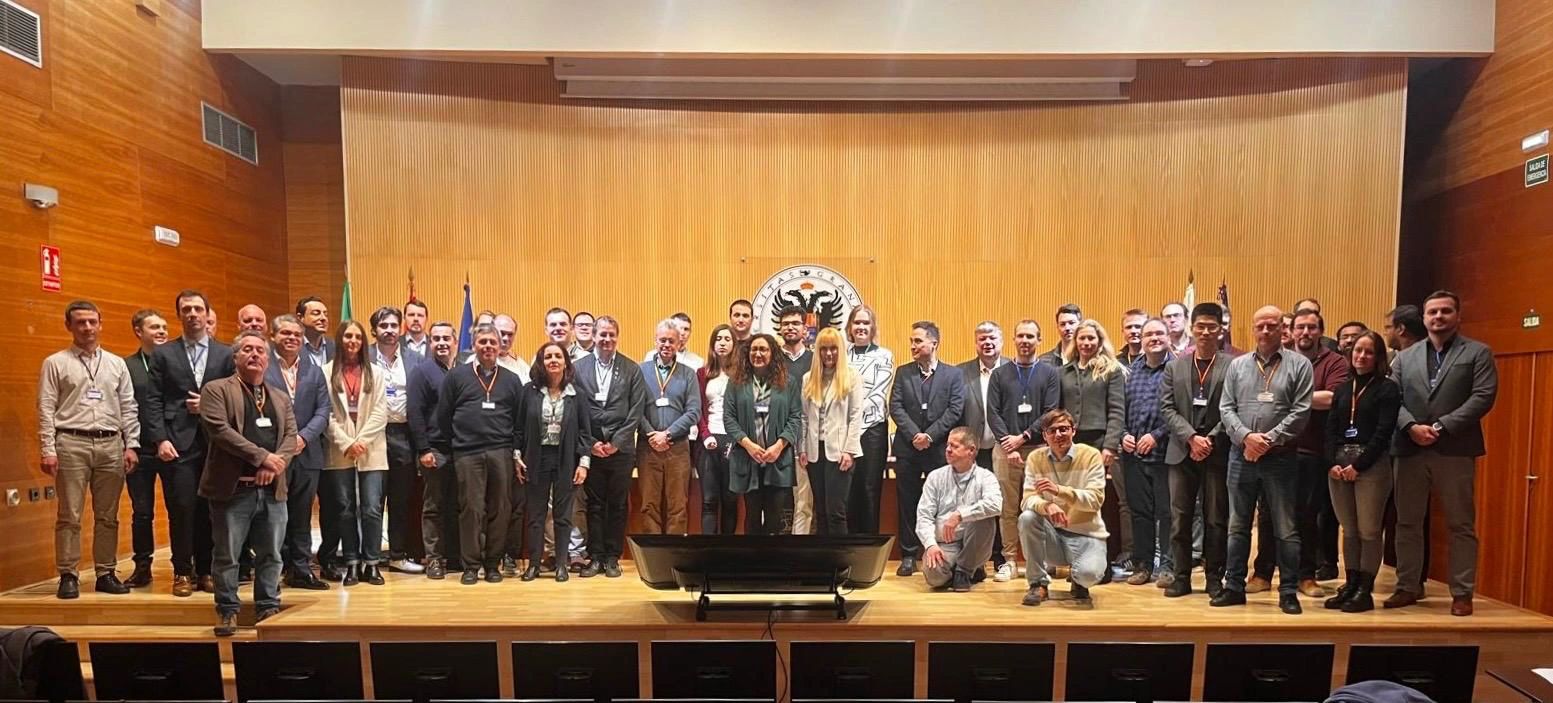
of successful collaboration with 27 partners from different parts of Europe.
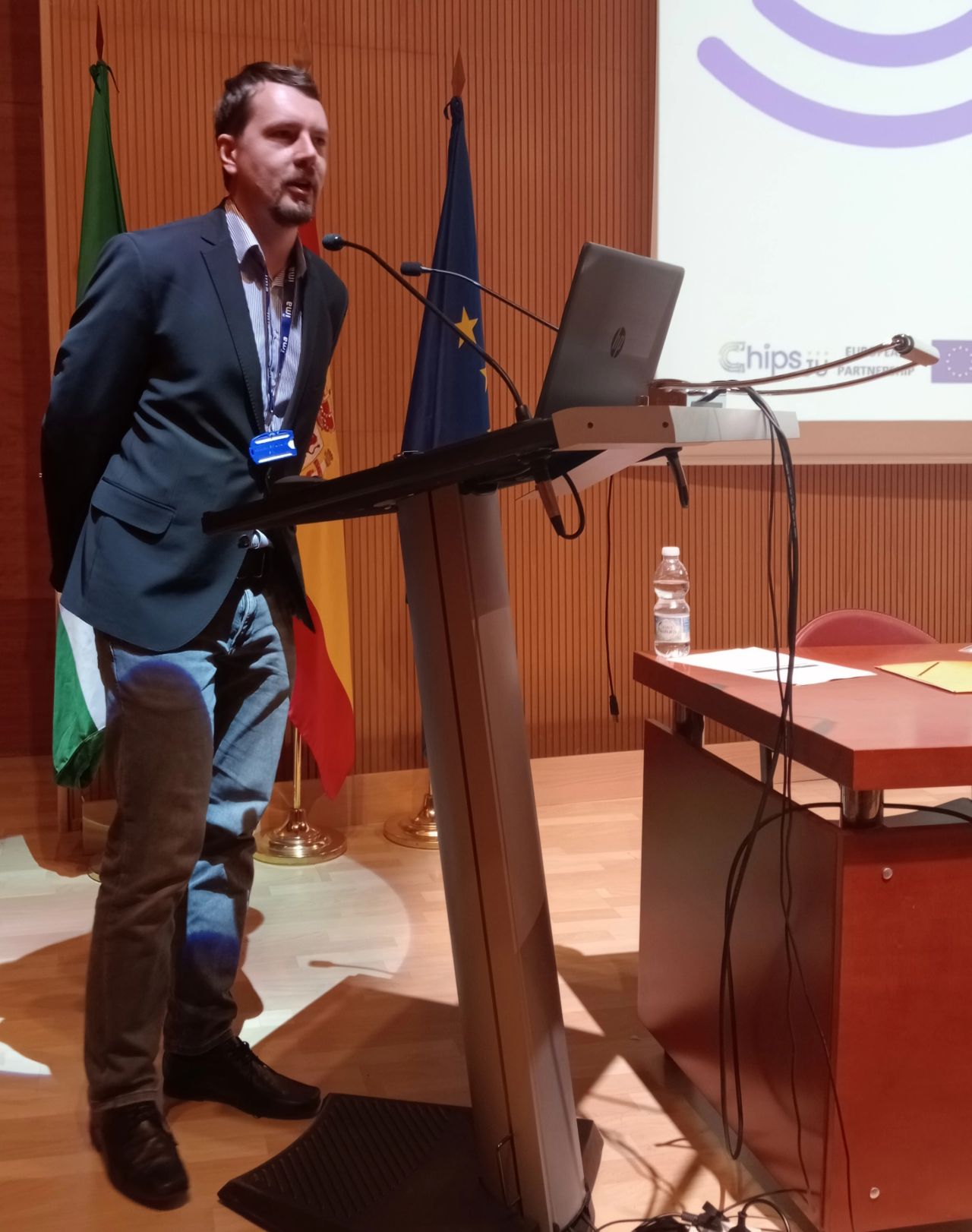
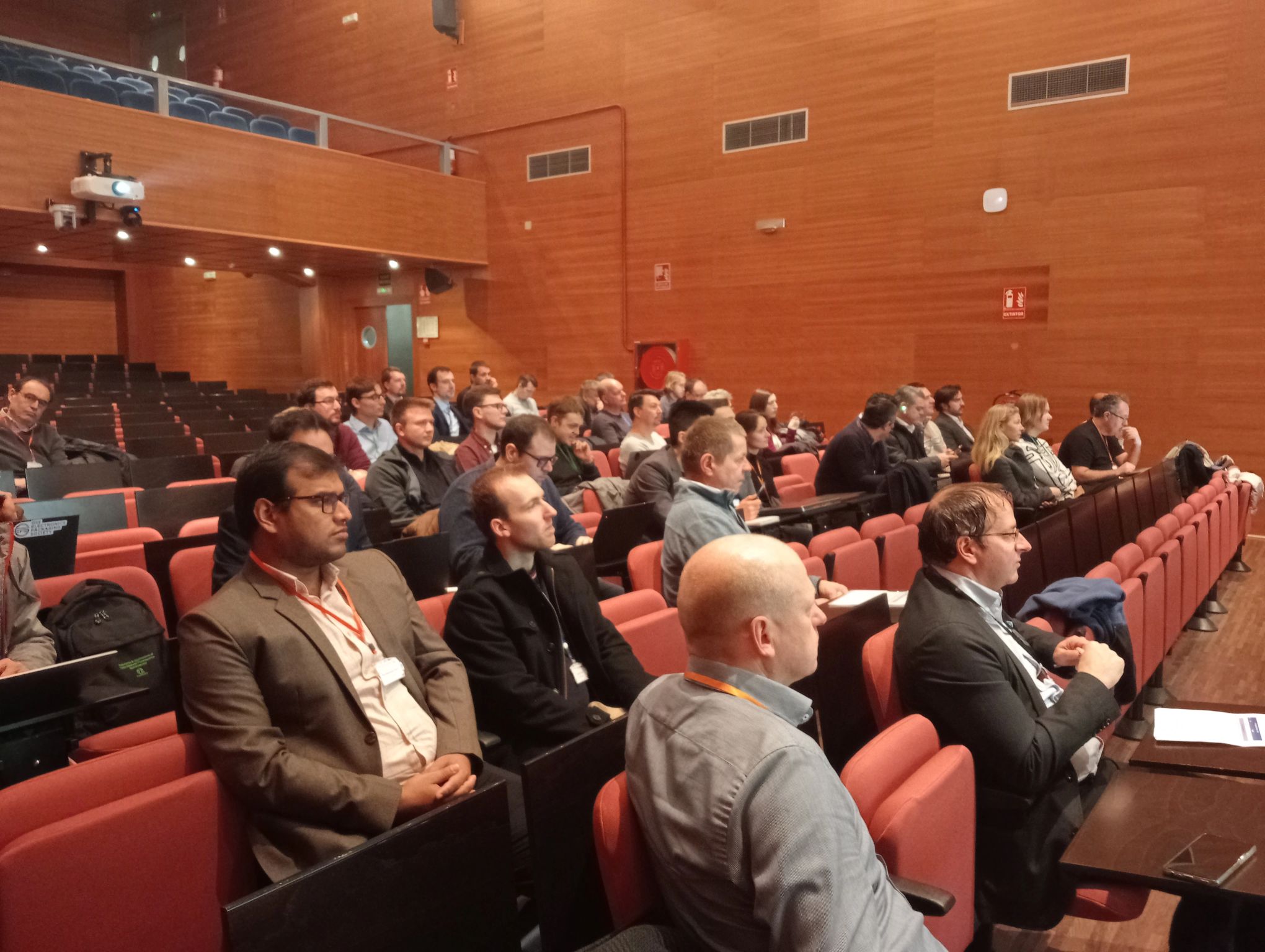
To mark the occasion, a meeting of the whole consortium (General Assembly) was held on 10 February 2025 in Spain. The ultrasound research laboratory at the University of Granada took charge of the organisation. The Czech team was represented by Karel Setnička (IMA) and colleagues from UTIA and VUT Brno. Together they are working on the use of ultrasonic sensors for the detection of discharges in insulators on high voltage power lines.ětí.
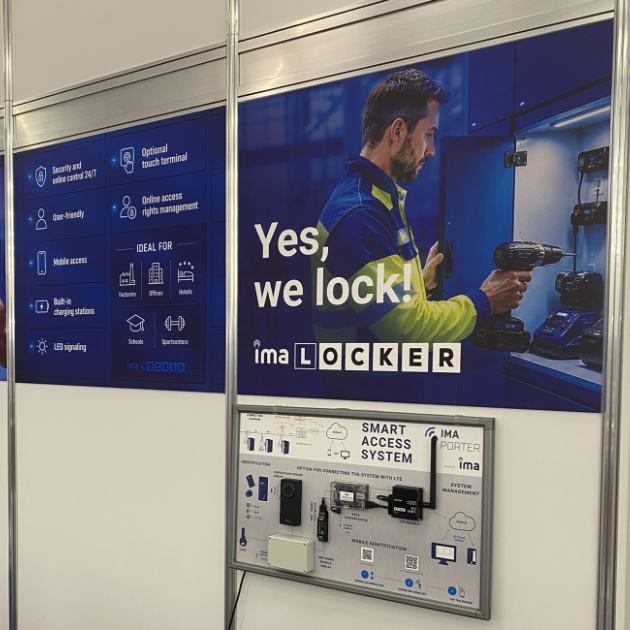
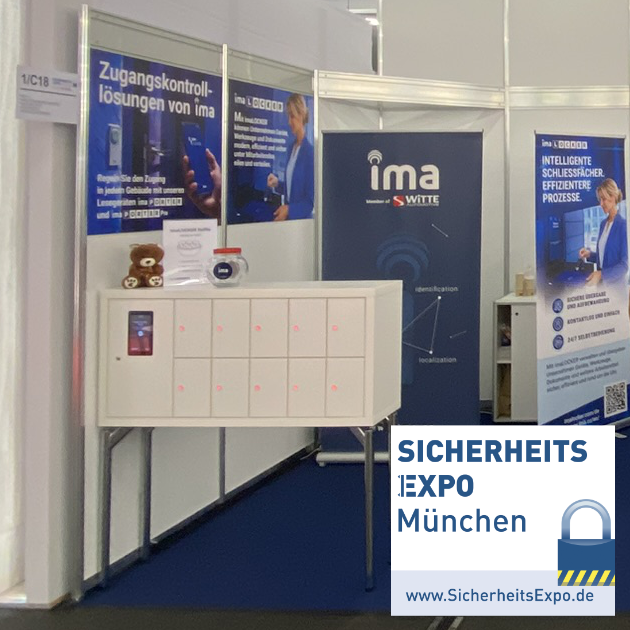
SicherheitsExpo Munich 2026 offered a clear view of what customers and partners are looking for in modern access control: flexible installation, reliable smart locking technologies, secure data handling, and solutions that are easy to understand in practice.
Over two days in Munich, conversations with visitors from Germany, Austria, and Switzerland showed strong interest in smart locker systems, battery-powered locks, wireless access technologies, and the growing role of cybersecurity in everyday access management. The event also confirmed that live product demonstrations remain one of the most effective ways to explain how modern access solutions can solve real customer challenges.
SicherheitsExpo 2026 was an important opportunity for IMA to showcase what modern access control can look like when security, product quality, and innovation come together.
On July 1-2, IMA was represented at the show by our DACH sales representative, Christian Friedrich, together with Jaroslav Budka and Žaneta Dubnická.
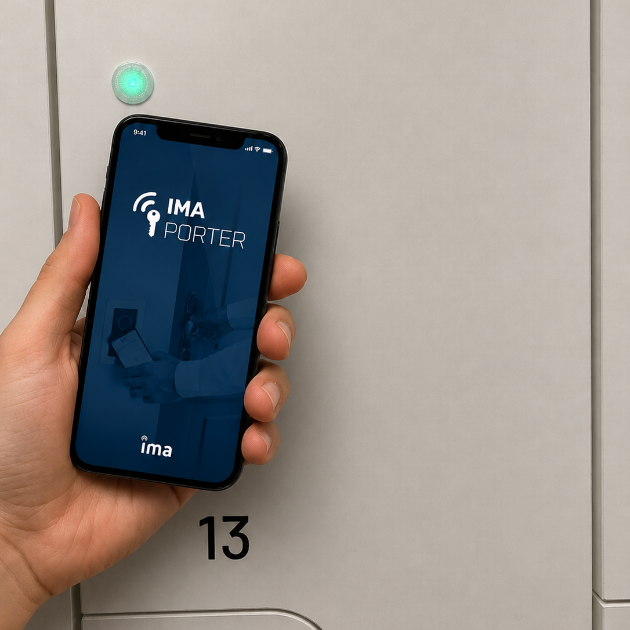
Employees or students no longer need to carry plastic cards or fobs to their imaLOCKERS. The OSL.03-L series locks now respond to phone taps via NFC, supporting both Android and iPhone systems. Users receive their digital keys remotely, while existing RFID cards remain fully functional with no change to their operation.